




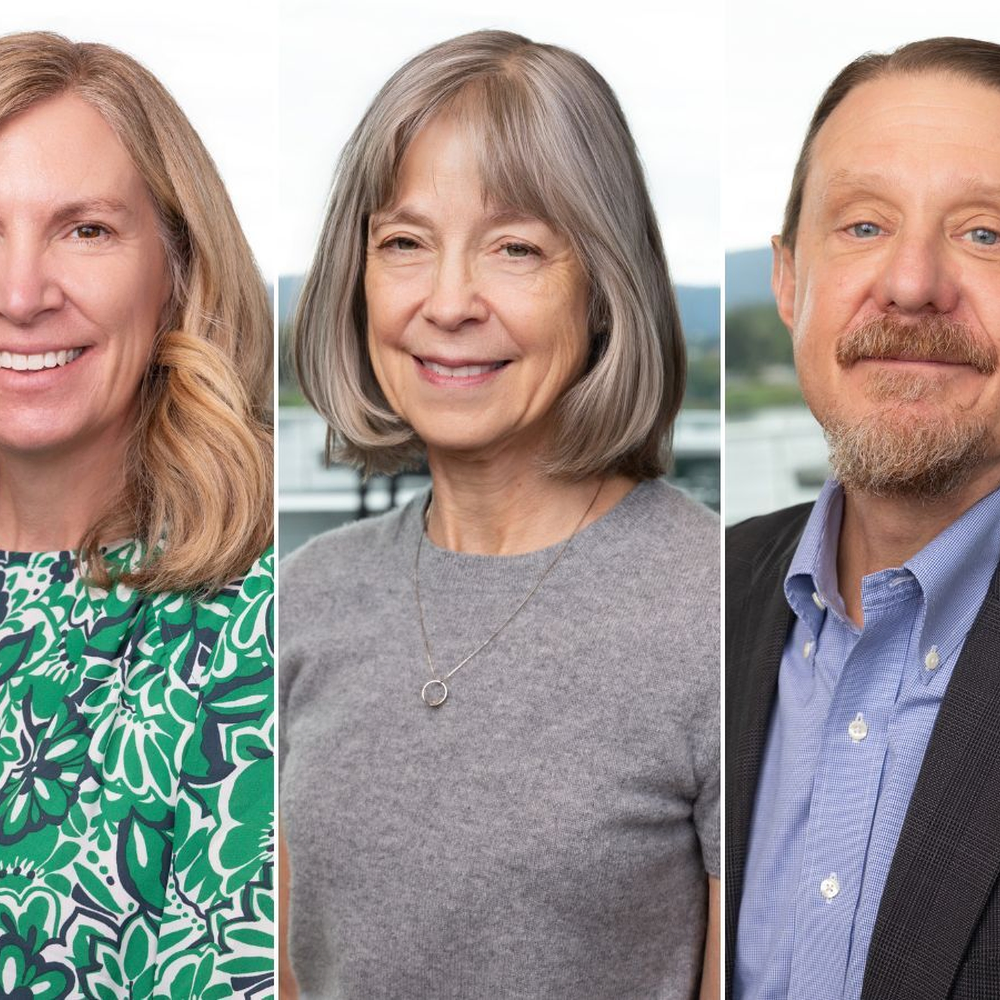


By Kimberly Thornbury, Vice President of Programs and Partnerships
This is Part 2 of a three-part series on dense networks and collaboration. Read Part 1 to explore the historical and research foundations of why dense networks drive lasting change.
In Part 1, we considered how dense networks, circles of trust built on deep relationships and shared purpose, have driven meaningful change throughout history and across our region. But who creates these networks? And what does it look like when organizations choose collaboration over competition?
At the Murdock Trust, some of the most powerful dense networks we've witnessed are the ones nonprofits build. These organizations recognized that the scale of their challenge required collective action in addition to individual excellence. They understood that innovation didn’t just lie in their programs or systems, but in their ability to bring the right people to the table and keep them there long enough to build something together.
From Church Conversations to Statewide Systems
When members of a Portland church began talking about the foster care crisis in their community, they could have responded to the problem with a monthly volunteer commitment or financial support. Instead, they dug in deeper and asked: What if we could fundamentally change how the system works?
The Contingent was born from those conversations. Through support from the Trust, community members, and other foundations, they developed the technology for identifying ideal foster families in close proximity to children in need, recognizing that maintaining connections to schools, friends, and communities gives children in crisis the stability they need. The approach for identifying families worked so well that the state of Oregon eventually asked The Contingent to take over all foster care placements statewide.
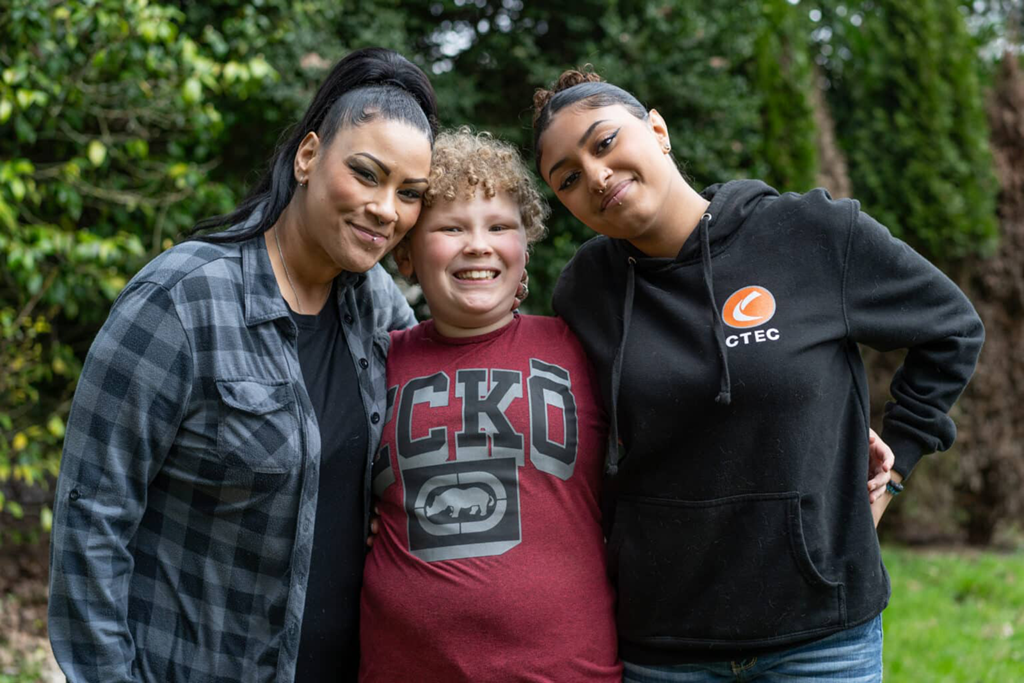
The power of The Contingent’s approach is in the dense network of social workers, foster families, church communities, and advocates who trust the system because they helped shape it. They stayed in conversation long enough to move from skepticism to true partnership.
Collaboration in the Lab
In 2014, the Trust hosted a convening of faculty researchers at small undergraduate universities to address a problem we had been hearing for years: that these researchers often work in isolation, with limited resources and few collaborators. From those conversations, RAISE (Research Across Institutions for Scientific Empowerment) was born. This program supports undergraduate institutions to collaborate on projects at a level of sophistication no single institution could pursue alone, pooling resources, expertise, and equipment and bringing experienced researchers and undergraduate students together. In one instance, this created a dense network with ripple effects into the galaxy – quite literally. Read how one RAISE collaboration brought together researchers from Seattle University, Saint Martin’s University, Western Washington University, and The College of Idaho to study globular clusters of the Milky Way.
Nearly a dozen institutions across the Pacific Northwest have now formed RAISE alliances, each tackling different scientific questions but all embodying the same principle: we're better together.
Empowering Global Forestry Conversations
Sometimes a dense network begins with a single new staff member who builds the capacity to bring new people to the table. That’s what happened with Forest Stewardship Council (FSC)’s 2020 grant.
After the Trust supported the hiring of a new technology staff member at the FSC, they created a technology collaborative among forestry organizations around the globe. Different regions faced different challenges, but all needed shared standards and coordinated action. The collaborative brought together diverse global leaders like Microsoft, Salesforce, Slalom, and DocuSign. The first companies that come to mind when you think of global forestry infrastructure? Not necessarily. But the ones with the technology and capacity to make a real difference? As it turns out, yes.
What began as regional conversations became international infrastructure. Today, systems developed through this collaboration influence forestry practices globally, creating common language and shared metrics that enable sustainable management across vastly different contexts. And the movement isn’t done!
Building Infrastructure for Change
What do these examples share? While spanning sectors and scale, they all recognized that their challenge was bigger than their capacity. They all chose to invest time in relationships that didn't show immediate returns. And they all built something that outlasted any single project or funding cycle.
Dense networks often become infrastructure for long-term transformation. When The Contingent expanded to new states, the network carried the message. When RAISE researchers apply for federal funding, they apply as collaborative teams with proven records. When the Forest Stewardship Council updates standards, a global network implements them because trust has been established.
At the Murdock Trust, we're honored to support organizations that understand this. Not every nonprofit needs to build a dense network. Sometimes hyper-local work is what's needed. But organizations that recognize their challenge requires collective action and choose collaboration over competition are set up to make the next good thing easier. They create momentum that outlasts any single leader or initiative. They build capacity that serves challenges we haven't yet imagined.
In Part 3 of this series, we'll explore how the Trust itself works to cultivate these kinds of networks through our convenings, programs, and partnerships.