




What does it take to get people with differing views to have a real conversation? For years, Dana Whitelaw, Executive Director of the High Desert Museum, and her team wrestled with this question. Question-and-answer sessions after museum lectures had their place, but they knew something deeper was possible.
“We all have those experiences where you’re with a person you don’t know particularly well, but because of the circumstances — perhaps you’re traveling, perhaps you’re at a conference — you’re transported to a different place of conversation,” Whitelaw explains. “You can go deeper.”
The High Desert Project began by figuring out the ingredients for that kind of connection, and centering on the elements and ideas that matter in the high desert. The impact has been vast and deep, with program participants and alumni finding thoughtful ways to engage civically alongside new connections, shaping the future of this region they love.
The High Desert Museum Vision #
The High Desert Museum in Bend, OR, was founded in 1982 with an ambitious dream: to create a place “not bounded by walls, but bounded by forests and mountains and rivers and the sagebrush steppe” of the Intermountain West. Founder Don Kerr believed in experiences that “wildly excite and responsibly teach,” using wonder and awe as catalysts for curiosity, learning, and deep care for a local place.
But Kerr had another vision, too: for the museum to become a space where people who might not think alike can still have real conversations. It’s from this vision, and from noticing the need for authentic connection in a fractured age, that the High Desert Project was born.
Creating Connection #
The High Desert Museum team assembled advisors to begin experimenting with what types of gatherings truly yielded connection. Then with grant support from the Institute of Museum and Library Services and the Murdock Trust, they built a program around their findings called The High Desert Project.
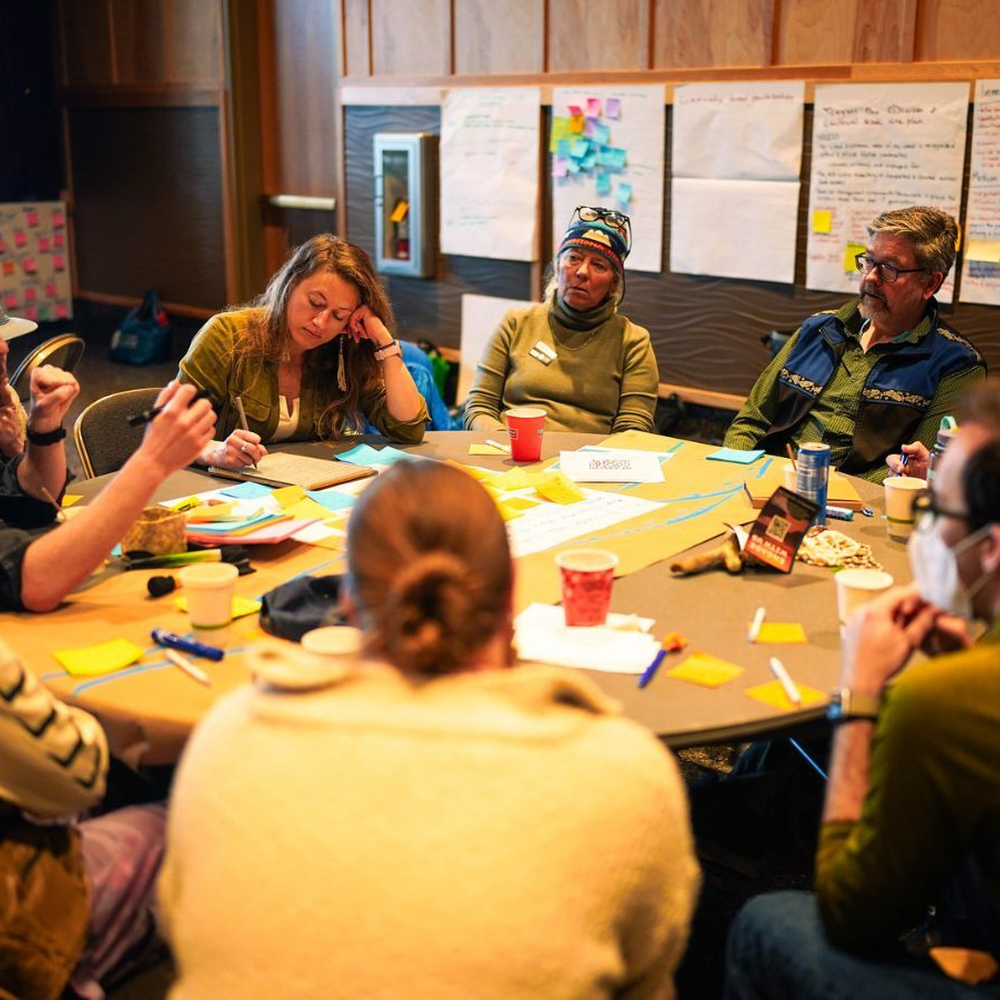
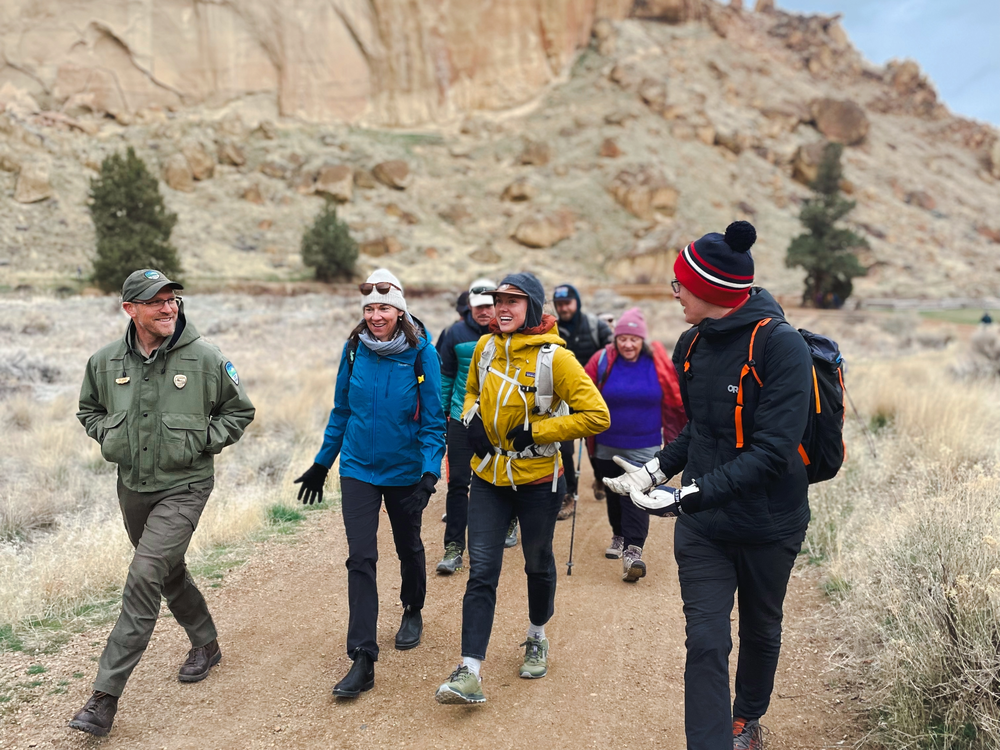
The model is simple: bring small groups of 10-12 people together for multiple shared learning experiences around a local topic of interest, and share a meal every time. The pilot program focused on water. Participants visited an organic farm to meet with the farmer and irrigation district manager. They explored the complex partnership between sovereign tribal water rights and regional power needs. They spent a day with a hydrogeologist discovering the origins of Central Oregon’s spring-fed rivers, and they gathered with Oregon Poet Laureate Ellen Waterston for writing exercises that helped them articulate what they’d learned. Other topics have explored the idea of growth, the significance of wolves, and the democratic process in Oregon.
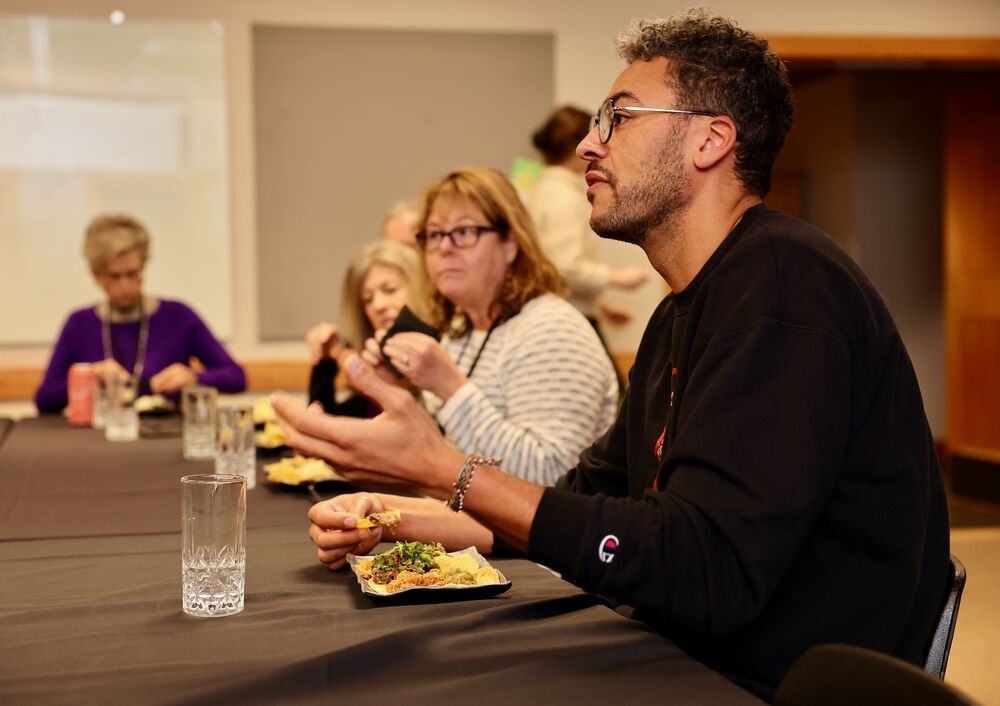
“We’re actually not interested in finding common ground,” says Whitelaw. “We are more interested in people saying, ‘I never thought of it that way.’ How interesting that your life experience and perspective has created that belief system about water or wolves or growth in our community.”
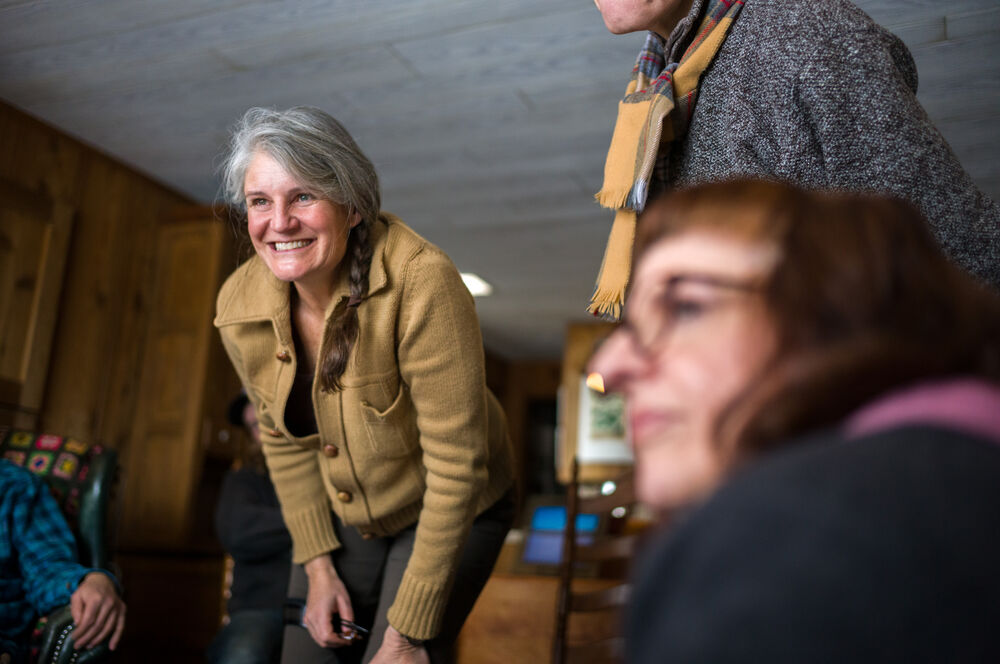
Over four sessions, participants learn about each other’s kids and day jobs. They share meals and laughter, and build relationships that allow deeper, more vulnerable conversations. They develop connection, which creates space to share different perspectives without fear of judgment or offense.
From Connection to Action #
The impact of this authentic connection with neighbors and local land yields not just inspiration and friendship, but heartfelt civic engagement. By the fourth gathering, participants are often compelled to take action, writing to elected officials and advocating for thoughtful policy.
The High Desert Museum isn’t making participants take these steps. Their role is simply to connect people to topics deeply — a result is that they’re motivated to engage. It’s Don Kerr’s original vision coming full circle: deep, experiential learning creating empathy for the region, leading community members to make thoughtful decisions about policies that care for natural and cultural resources.
Building Capacity for the Future #
This program is having ripples of impact beyond Central Oregon. The museum recently received a half-million-dollar federal grant to teach other museums across the region how to create similar place-based shared learning experiences. They’re launching college student cohorts, planning youth-focused programs, and partnering with Willamette University on an America 250 project exploring regional legacies of the Declaration of Independence.
Bustling alumni events now gather participants from previous cohorts, creating an ever-expanding network of connection, and the waitlist is long with interested participants. The museum staff’s vision is that in 75 years, everyone in the high desert will have some connection to the High Desert Project.
In a time when division can seem insurmountable, the High Desert Project offers something both simple and profound: shared wonder as the bridge to human connection, and human connection as the foundation for thoughtful civic engagement.
Thank you, High Desert Museum, for showing us that museums can be catalysts for the conversations our communities desperately need.