





In the state of Washington, 80% of dentists practice in the five most populated counties. Ten counties have fewer than ten dentists. Two counties have none at all.
These disparities mean families from rural areas driving hours for a filling, children with untreated tooth decay that affects their ability to eat and learn, and elderly residents losing teeth because no provider is close enough to help. Oral health has long been described as a "silent crisis" in rural America: high need, low access, and often absent from broader healthcare conversations.
For the founders of Pacific Northwest University of Health Sciences (PNWU), gaps like this served as the motivation for their vision.
A University Built on a Specific Problem #
PNWU was founded in 2005 in Yakima, Washington, as a direct response to a looming workforce crisis. A study commissioned early in the university's history found that a significant number of physicians across the Northwest, particularly in rural communities, were nearing retirement age, with no sufficient pipeline of new providers to replace them. "We were going to be facing a significant gap in primary care providers in rural and underserved communities in the Northwest," explains Adam Story, Vice President of University Relations, who has been with the university since its early days. "That's why the university was founded."
The founders designed what they called a Recruit-Educate-Return (RER) model: actively recruit students from rural and underserved backgrounds, train them in community-based clinical settings, and trust that many graduates would return to the places they came from. "The literature has shown time and time again that if you are from one of those areas, you're more likely to go back to that area to practice once you finish," explains Dr. Fotinos Panagakos, founding Dean of the School of Dental Medicine. In 2025, U.S. News and World Report ranked PNWU's medical school 3rd in the country for graduates practicing in rural areas, 4th for graduates entering primary care, and 10th for graduates practicing in medically underserved areas, out of roughly 190 medical schools nationwide – evidence that the RER model works.
From the beginning, PNWU’s vision included healthcare for the whole person. Conversations about a dental program started as early as 2007, rooted in the idea that whole-person care requires a full team: physicians, physical therapists, occupational therapists, and dentists working together.
Rethinking the Dental School Model #
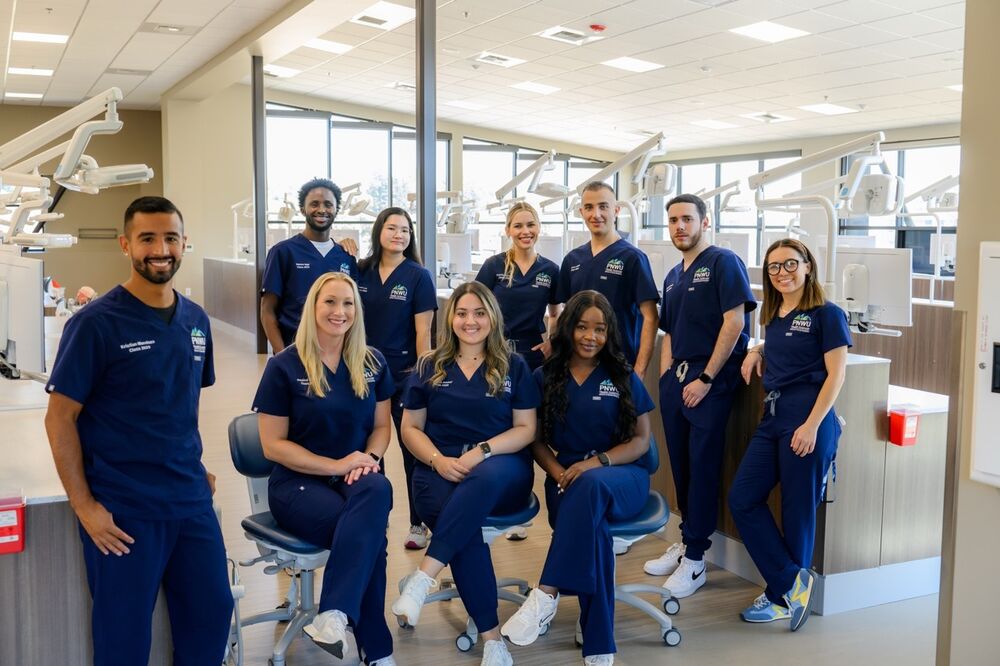
From the PNWU School of Dental Medicine’s founding, it was shaped by community needs and voices. Rather than build a standalone clinic in Yakima and wait for patients to arrive, PNWU partnered with three Federally Qualified Health Centers already working in local communities. Students are placed directly into these partner clinics, learning in the same communities the school was designed to serve.
The model required broad collaboration across sectors: nonprofit health centers, the state dental association, the Washington state government, and foundation partners including the Murdock Trust. "We're a big tent," Dr. Panagakos says, "and a lot of folks have come into that tent to make this happen."
Today, over 80% of PNWU dental students come from Washington and the four surrounding Pacific Northwest states. The remainder come from rural communities in California, the Midwest, Oklahoma, and Texas, students who have indicated they intend to return to practice where they grew up.
The Technology That Makes It Possible #
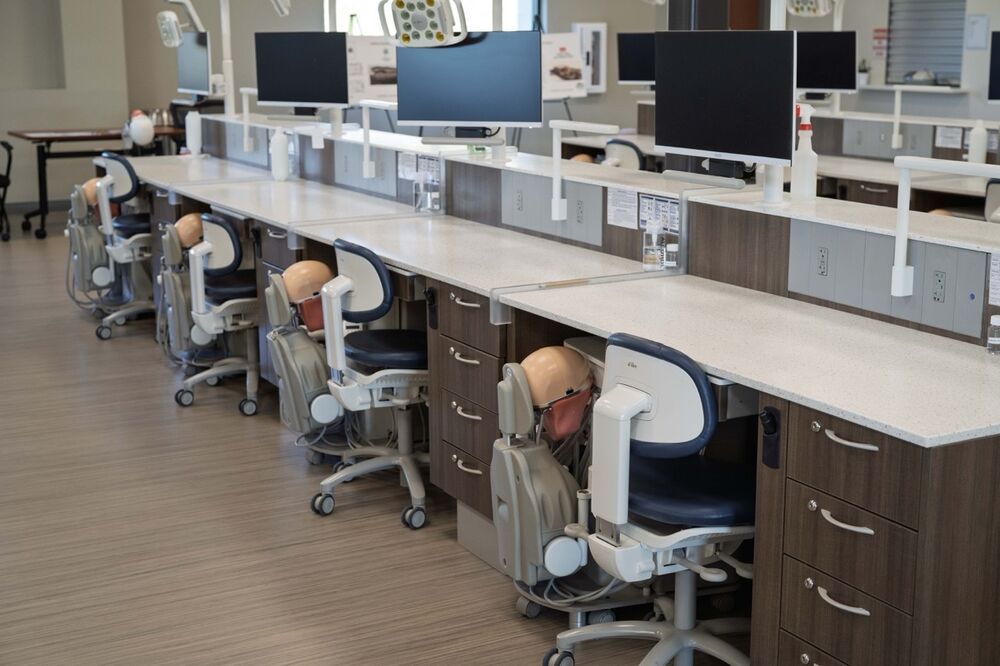
Before a dental student ever treats a patient, they need to develop the fine-motor skills that allow them to work safely inside a person's mouth. PNWU built its simulation lab to include not only the typical manikin systems found at other schools, but also a state-of-the-art virtual reality system from SIMtoCARE, a Dutch company whose technology lets students practice dental procedures in an immersive virtual environment. With initial funding, the school acquired one unit for faculty to use while developing the curriculum. Fully equipping the lab required five more. The Murdock Trust grant funded the purchase of those five additional VR simulation units, which now anchor the dental school's first-year training. "The five additional simulators are being used every day by the students," Dr. Panagakos says. "We've seen a huge improvement in their skills just by using that equipment." Remaining grant funds covered lab supplies needed to put the technology to full use.
Accreditation depends on this kind of infrastructure. Dental schools must demonstrate that graduates can provide safe, competent care, and that process starts in the simulation lab.
Building a Sustainable Model for Rural Dental Care #
One year into the program's launch, what stands out most to Dr. Panagakos is the sustained interest from partners and outside organizations. Multiple health organizations have approached the school about establishing a fourth clinic site. Dental hygiene programs near existing clinic locations are in early conversations about collaborative training. And PNWU is in preliminary discussions with the Yakama Nation that could be the first partnership of its kind between a dental school and a tribal nation in the country.
Dental care rarely makes the headlines when people talk about what communities need to thrive. But tooth pain affects whether someone can work, whether a child can concentrate in school, whether an older adult can eat well and stay healthy. PNWU's investment in training the right providers and putting them in the right places directly addresses this challenge that impacts individual health and community flourishing.
Thank you, PNWU, for responding to this silent crisis with a sustainable model that brings healthcare access to communities across our region!