







Sensitive content warning: this blog discusses suicidality. If you or anyone you know is struggling, 988 is free to call or text for anyone in the US, 24/7.

Every year, thousands of children in rural America struggle with their mental health silently and without the support they need. Long distances to care, shortages of providers, high costs, and lingering stigma contribute to the unique challenges these children and their families face.
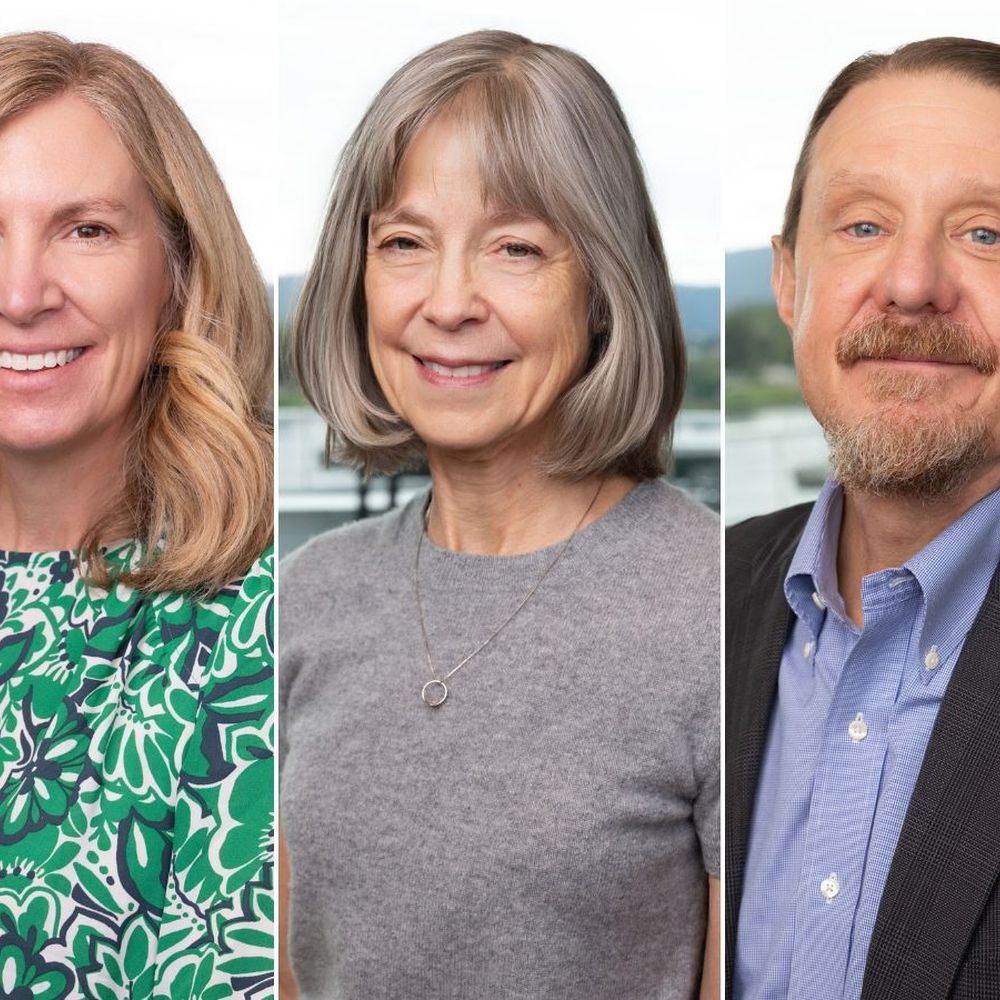
Dr. Janet Lindow knows what it’s like to be one of those children and built something to make sure fewer kids feel that way. In 2020, she founded the Rural Behavioral Health Institute (RBHI). The Montana-based nonprofit offers suicide prevention through its program, Screening Linked to Care (SLTC), which delivers twice-yearly universal mental health screenings, same-day care for high-risk students, care navigation support, targeted violence prevention, and short-term psychiatric services right to students at their schools.
RBHI’s focus on students is intentional. Lindow states, "If we invest in children now, it's probably a decade or more of suffering we can prevent." Children don't always have the tools to manage suicidal thoughts, and schools don't always have the resources or training to respond. SLTC combines the ability to screen with a clear, immediate next step for schools.
Founded on Research and Lived Mental Health Experience #
RBHI’s mission is deeply personal. The culture at RBHI is built on the team’s shared lived mental health experience and time living in rural regions of America.
Lindow began her career as a scientist researching infectious diseases with global public health impact before turning her focus to mental health, specifically suicide prevention and digital therapies. Her career shift was personal. At age 11, she experienced untreated suicidality that recurred for decades. "I was one of the kids that we are identifying and helping," Lindow shares. "That's why I'm so dedicated to making sure children have the tools they need so they don't have to feel like this for very long, if at all." As an adult, she has lost an ex-partner, a family member, and a close friend to suicide.
Kayleigh Brown, RBHI's Chief Operating Officer, brings her own professional background and personal purpose. Before joining RBHI, Brown worked at a psychiatric hospital. She explains that she witnessed, "A big need for change. Kids [were] being admitted to a psychiatric hospital that really didn't need to be; they needed early intervention and prevention [to avoid the crisis leading to hospitalization]." A native Montanan, she has family members and classmates who have lost their lives to suicide.
How Rural Schools Are Getting Kids the Mental Health Care They Need #
Rural states like Montana have some of the highest youth suicide rates in the country. In rural areas, teens are about 1.7 times more likely to die by suicide than their urban peers. Nationally, about one in six children aged 6 to 17 have a treatable mental health disorder, and only about half receive treatment from a mental health professional. Depression and anxiety are among the most common of these conditions, and both are major risk factors for suicidal thoughts and behaviors. In rural communities, where the nearest mental healthcare may be hours away, getting help is even harder.
The first hurdle is often knowing who needs help. Many children keep their struggles to themselves, and parents and teachers can miss the signs. Last year, one in 17 of the more than 22,000 Montana and Illinois students screened through SLTC reported elevated suicide risk, and 13% had symptoms that called for follow-up. This is where a short screening for common mental health symptoms becomes a critical aspect of identifying students who need help and offering appropriate resources.
Through SLTC, students have the opportunity and language to tell an adult how they are really doing. Any student at high risk receives a safety check-in the same day as screening, and care navigators work with families to connect students to ongoing services.
Expanding Access to Psychiatric Care in Care Deserts #
In 2022, the Murdock Trust supported RBHI’s expansion of SLTC’s services to include virtual, short-term psychiatric care by funding a full-time child psychiatrist, one of only 24 practicing in the state of Montana. "We were looking for grants that could help us...add psychiatric services as one of our offerings to families, because that's one thing that can be very hard to find in the community," Lindow says.
The three-year grant helped RBHI rethink how psychiatric care is delivered in rural regions. 71% of counties across the US lack a child psychiatrist. Rather than relying solely on an insufficient psychiatrist workforce for direct care, the team created a psychiatric nurse-led model, with a psychiatrist supporting psychiatric nurses in a supervisory role.
This virtual care model brings high quality, short-term psychiatric services to students no matter where they live. When a student has serious suicide risk, the RBHI psychiatric team can work with the family to keep their child safe and meet with them within 24 hours, eliminating the usual months-long waiting lists and travel common in rural America. "That allows us to keep a child in their home, safe," Lindow explains.
Saving Lives Through Early Detection #
As of today, RBHI has screened more than 77,000 students across four states, with participants reporting over a 70% drop in new suicidality and more than a 29% reduction in depression and anxiety symptoms year over year. Beyond these remarkable reductions that represent thousands of redirected lives, the ripple effects have reached further than clinical outcomes alone.
RBHI is a steadfast partner to schools and has become their go-to resource when they need support. Schools can screen students when they are concerned; they do not have to wait for scheduled screening days. When a tragedy occurs, schools know RBHI will be there to help them find whatever support is needed for healing. Brown elaborates on what this partnership is: "We're not telling people what to do. We have one rule at RBHI: a kid in red [with elevated suicide risk] gets seen by a caring adult." Everything else is up to the school, with varying levels of support from RBHI, to ensure the partnership fits the specific school community’s needs and goals.
The result: more students feel safe and have the opportunity to thrive. Lindow recalls one student a few years ago that was flagged as high-risk during screening and found to have a plan to end their life, with little support at home. A same-day clinician kept them safe until RBHI's psychiatric nurse could step in, working with the student's school and a friend's family to build a doable treatment plan. Currently, that student is in college on a scholarship, paving their own path for a brighter future.
Recognition for SLTC and Future Growth #
Looking ahead, RBHI anticipates scaling and expansion. "[We’re looking] to expand to new states and learn different challenges in rural areas, what makes it difficult for them to receive care, and how do we replicate partnerships in areas we haven't been to before," Brown says.
That expansion is already taking shape. The team has been developing a new program initiative aimed at identifying risk factors for violence before they escalate, working upstream so fewer children ever go down that path at all. RBHI's work is also gaining wider recognition, having recently been awarded the MIT Solve Challenge’s Collegium Prize, selected from more than 1,000 applications across 110 countries, for "scale‑ready solutions using innovative technology to improve mental health and/or transform mental health care and services for communities worldwide."
Through it all, the team remains persistent about their mission and optimistic about the future. As Brown puts it, "There are solutions to all problems."
Thank you, RBHI, for your dedication to saving children's lives through early detection and prevention. Your critical work is supporting safer schools, bright futures, and flourishing communities.