

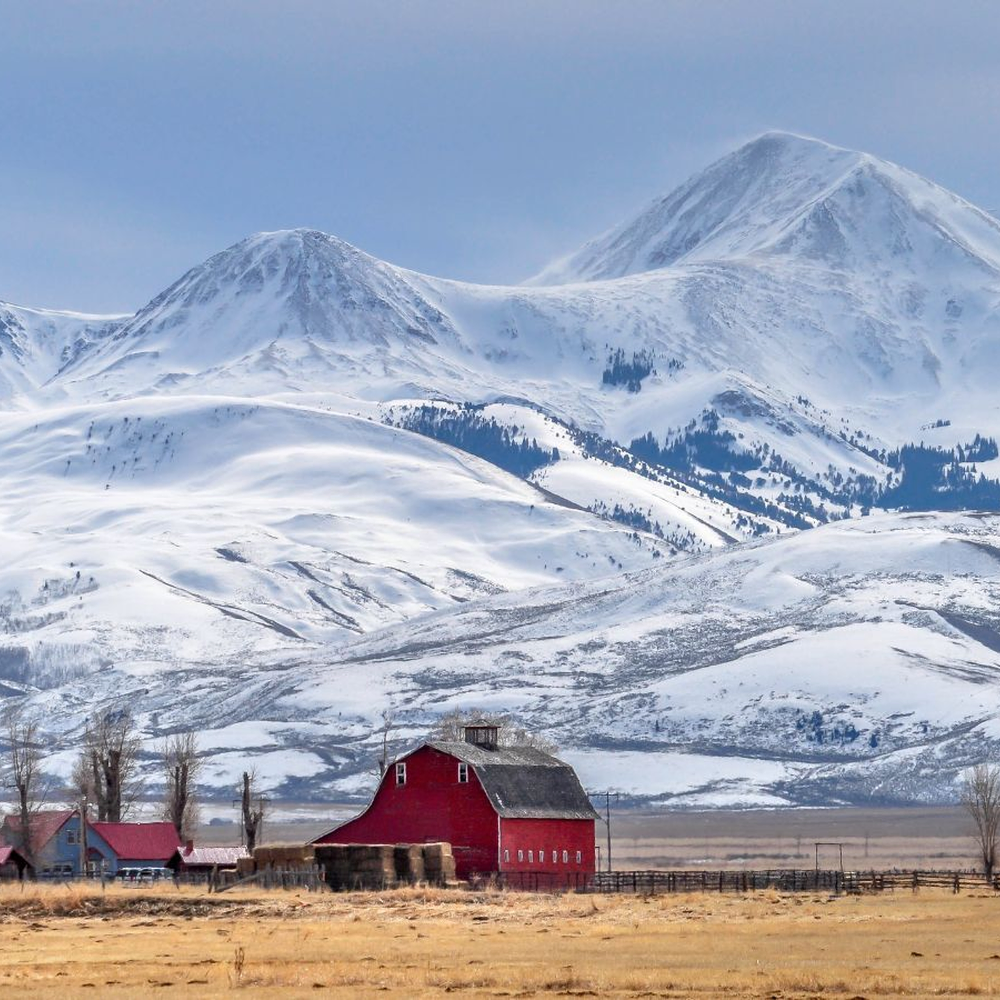
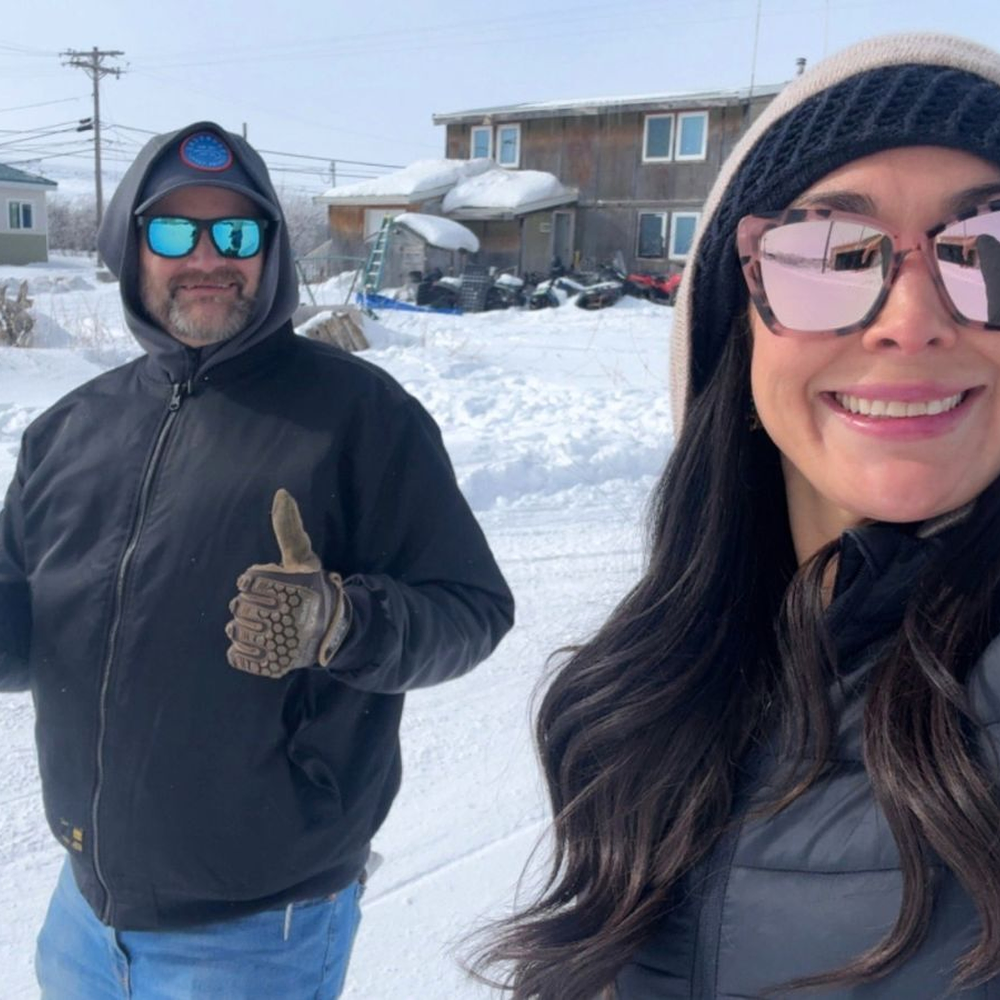


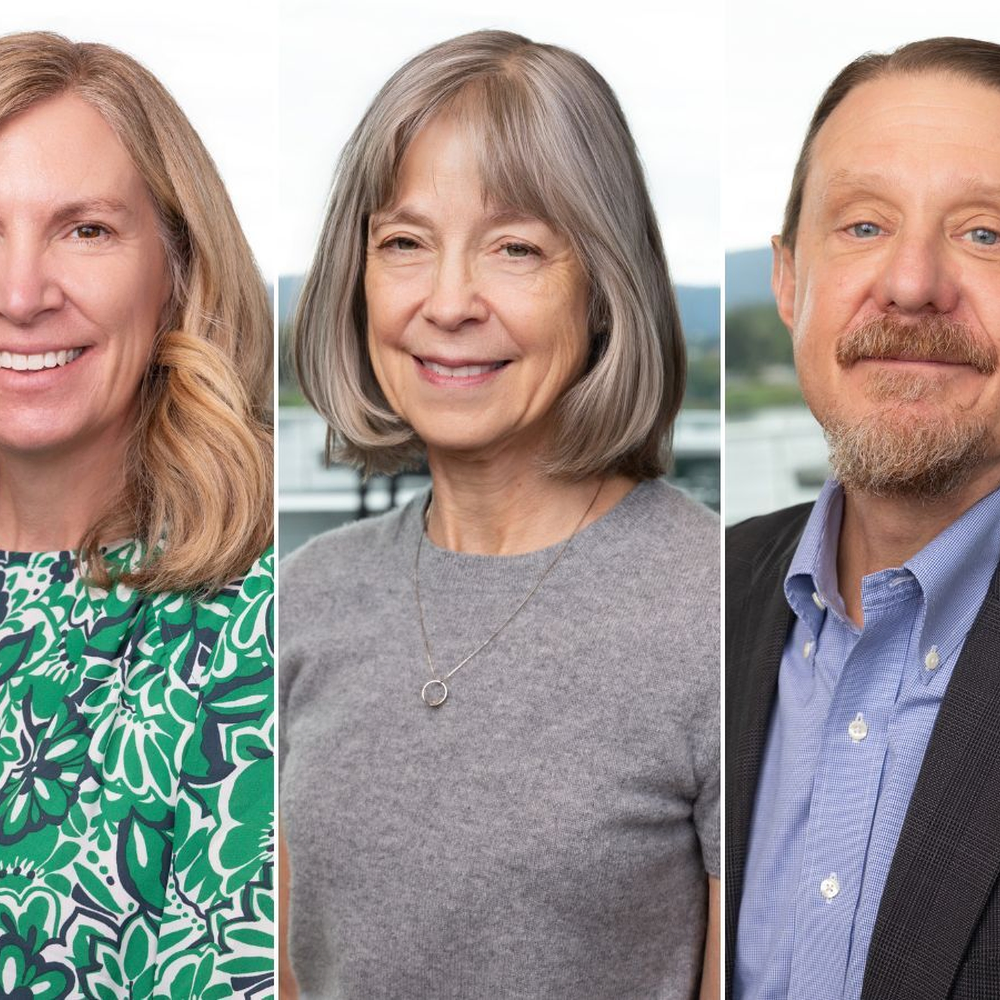



In America’s northernmost corner, Alaska’s Arctic Slope region is bordered by the foothills of the Brooks Range to the south and the Arctic Ocean on the north and west. It is home to eight distinct communities. Serving all eight is the Arctic Slope Community Foundation (ASCF), the region's only community foundation dedicated to its residents' unique needs. Through grantmaking, capacity building, and community engagement, ASCF works to improve quality of life and strengthen a culture of giving across the region.
A Nonprofit Built Around Community Needs #
Executive Director Patuk Glenn explains ASCF’s work as responsive to the needs of the community, saying, "It is everchanging, flowing, like a river. It all depends on the needs of our region."
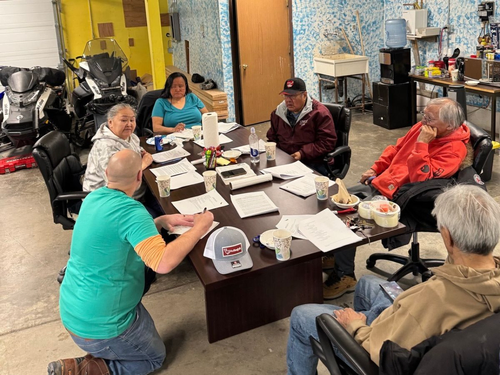
The organization was born out of Arctic Slope Regional Corporation in 2009 as a separate nonprofit. Glenn stepped into the executive director role in 2020, and since then has built a team of 12 staff, expanded existing programs, and diversified services, all while keeping the mission and community needs at the forefront. "We're really guided by the leaders in our villages, their needs, and we try to connect those needs with the grant opportunities," Glenn says.
While some needs are consistent over decades, such as food security, others take longer to reveal how much they matter. Recently, ASCF identified one of the latter needs: a gap in digital skills and technology access across individuals, cities, and tribal entities in the region. Left unaddressed, communities are unable to keep up with the pace of evolving technology, move out of disadvantaged circumstances, stay safe and secure, and remain connected.
Strengthening Digital Literacy in the Arctic Slope Region #
In early 2026, ASCF brought Richie Cahoon on as Digital Literacy Manager as part of a Murdock Trust Technology Staff and Program Expansion grant. The grant supported ASCF's efforts to increase connectivity and advance technological acumen across the region.
Since joining, Cahoon has already begun working within two communities with their respective city government, tribal organization, and local churches.
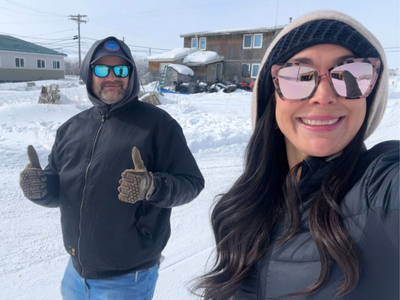
The first step is to assess IT infrastructure, along with conducting surveys and interviews to understand an entity's technological skill level and knowledge gaps. Glenn elaborates, "We knew that the first step to fixing or improving was evaluating. We evaluate in four areas: infrastructure, hardware, connectivity, and skills." Once they’ve assessed these areas, Cahoon and his team are able to build recommendation plans and offer tailored solutions.
One example of this is Cahoon’s work with the city of Nuiqsut, which led to an unexpected outcome. Cahoon shares, "Nuiqsut wasn't getting nearly the speed of internet that they were paying for. We discovered there were new plans offered by their same provider that doubled the speed that they were supposed to be getting, for about half the cost of what they were paying already." By assessing Nuiqsut’s infrastructure and internet plan, Cahoon identified an opportunity for them to pay less to get more.
Leveraging Technology to Increase Alaska's Connectivity #
Part of why this work matters so much comes down to geography. "All of our communities are remote and difficult to travel to," says Cahoon. "One of the big issues is that it's costly and difficult to bring in professionals [and equipment]." The organization’s location and the staff’s familiarity with the region make them well positioned to step in.
Beyond the practical benefits of being connected, there are professional, cultural, and communal upsides. "Connectivity is so important to be able to get work done," Glenn says, before offering a specific example involving their churches. "Our churches are really, in some ways, the backbone of our communities. It's the place where people get married, christen their babies...where we go to put away loved ones. If someone passes away in the community, not everyone can afford to travel to that village. The next best thing is to watch that funeral on a livestream." Technology allows individuals and communities to pay their respects and stay connected while being physically remote.
Accelerating Capacity-Building in Alaska #
At its core, ASCF is a capacity builder and community connector. It partners trilaterally with cities, tribes, and corporations, and often acts as the go-between for organizations that should be working together or in conversation. ASCF remains one-of-a-kind in the Arctic Slope but is working to build up other local nonprofit organizations.
Reflecting on ASCF’s digital literacy work, Glenn says, "Connectivity is all around us. We are able to access more things [because of this work], but we still have a long road to go." This is a road ASCF and its communities are walking together, and we are deeply grateful to ASCF for leading the way.