







By Kimberly Thornbury, Vice President of Programs and Partnerships
This is Part 3 of a three-part series on dense networks and collaboration. Read Part 1 to explore why dense networks drive lasting change, and Part 2 to see nonprofits building collaborative networks.
Throughout this series, we've explored how dense networks from the Clapham Circle to Alaska's tribal health partnerships to nonprofits like The Contingent have created lasting change. These networks don't emerge by chance. They're cultivated through intentional design, patient investment, and structures that move relationships from transactional to transformational.
At the Murdock Trust, we work to create the conditions where leaders can build these kinds of relationships. Here are some of the ways we currently create space for connection that yields dense networks:
Convenings That Go Beyond Networking
Many conferences offer helpful content and conversations over coffee, often sparking new thinking and yielding a flurry of LinkedIn connections. But we've found that gatherings intentionally designed to go deeper have unforeseeable ripple effects, moving past professional pleasantries into genuine relationship.
One such gathering is Leadership Now, which brings together executive directors from faith-based organizations across the region. Over two days, in addition to keynotes and workshops, participants connect over extended time at assigned tables with a facilitator who helps the conversation go deeper. The structure is simple but intentional: small enough for vulnerability, consistent enough to build trust, and facilitated enough to push past surface-level exchange.
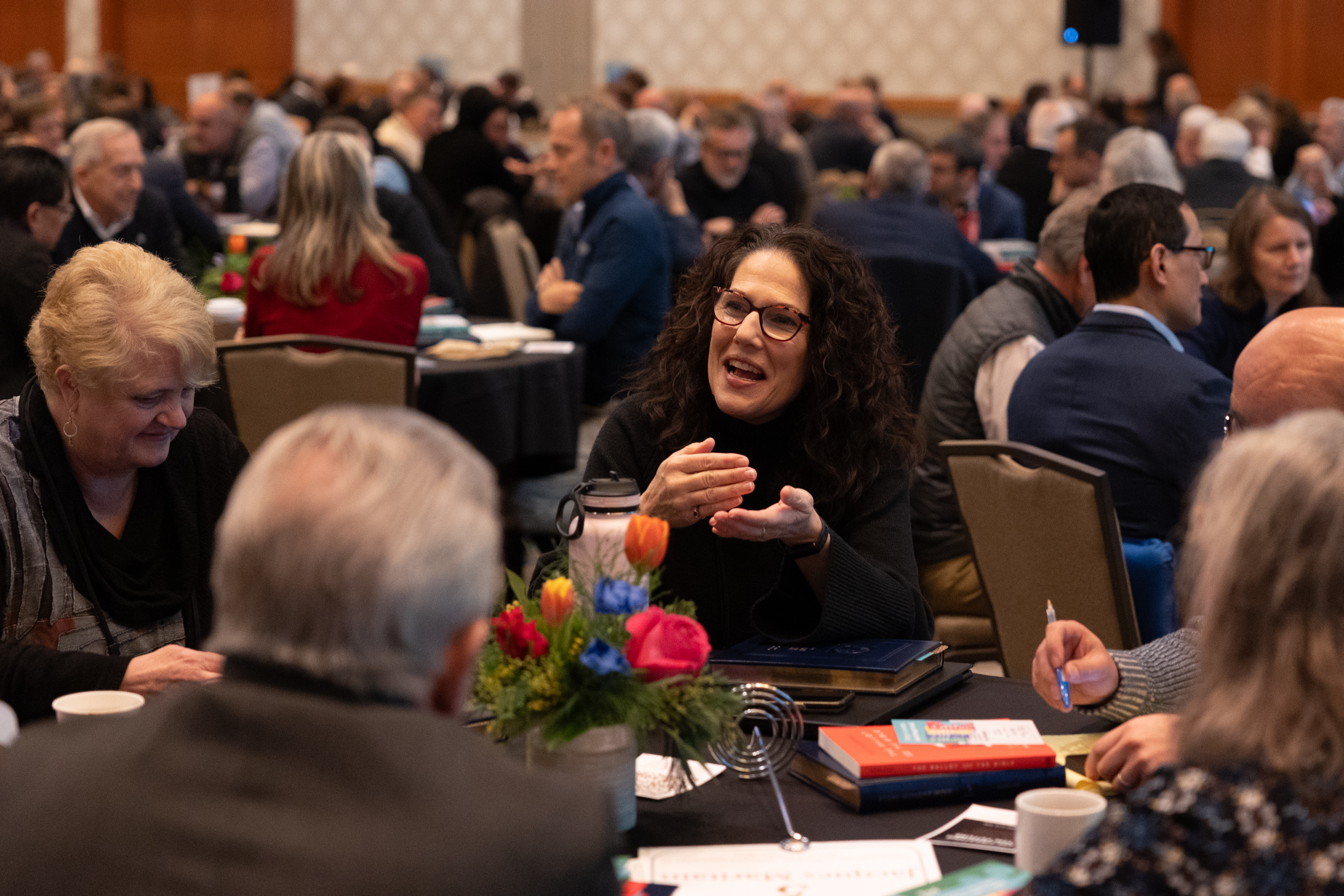
The results speak to the power of intentional design: forty-five percent of participants report developing active collaborations with other organizations because of relationships formed at Leadership Now.
Programs Built for Peer Learning
The Trust's most intensive programs embrace a cohort model with coaching, structured for shared learning rather than individual development alone. For these programs, the idea of long-term connection isn't an afterthought. Rather, these programs are intentionally designed to foster genuine connection so that even after the program ends, the impacts and relationships continue.
The Peer Cohorts program gathers a small handful of executive leaders for ongoing in-person and virtual conversations that dive beyond the surface from the very start, lasting for two full years. In the Green Room program, existing or aspiring board leaders of color gather to learn board leadership skills while bringing their personal faith and community commitments into a new dense network. They develop skills and they develop each other over multiple gatherings throughout the year.
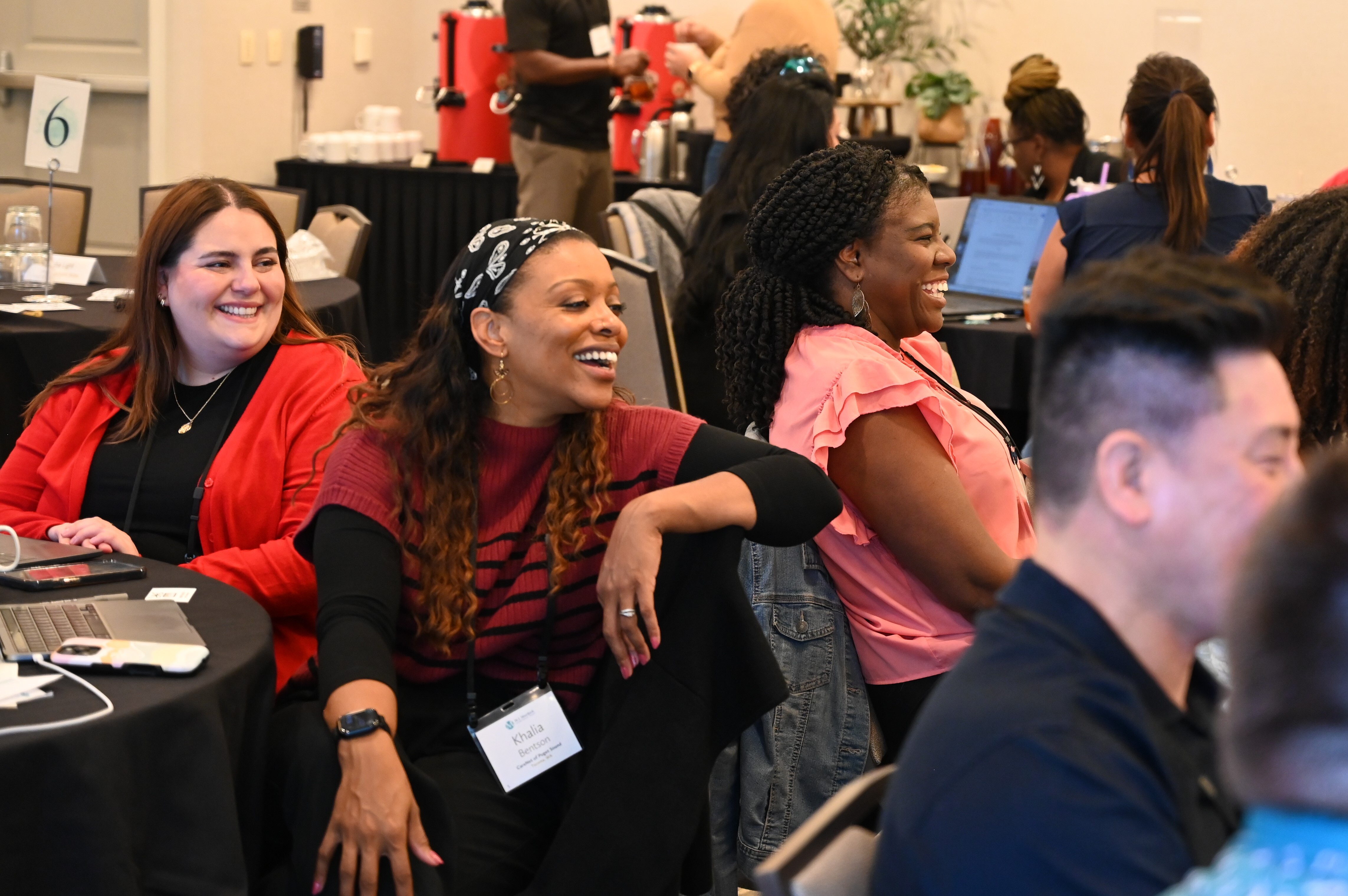
The results from both programs are consistent: strong, sustained alumni gatherings continue long after the formal programming ends, organized entirely by participants who have come to depend on the insight and encouragement of their cohort.
Advisory Networks
Even as Trust staff host programs and convenings designed to cultivate dense networks amongst our constituents, we continually rely on the insights of our own networks. Our Senior Fellows Program brings together a circle of seasoned leaders and wise practitioners who share a commitment to the flourishing of communities across our region. They serve as informed advisors to every area of our work, helping us see what's emerging across sectors, blind spots we're missing, and opportunities to pursue.
Specific departments at the Trust also have advisory committees that draw on collective expertise, such as the Investment Committee that informs the Trust's investment decisions, the SAGE Advisory Group that speaks wisdom and best practices into Programs & Partnerships, and the Scientific Research advisory group that shape the Trust’s scientific research grantmaking. These are a different kind of dense network, and for them, their strength is in their strategic focus.
Partnerships That Amplify Voices
Much of the Trust's work also focuses on strengthening or supporting existing networks. The five state nonprofit associations across our region serve as critical connectors within their states, offering regular gatherings, state-specific trainings, and research that serves the entire sector. The Trust partners with these associations through grants, conference collaborations, listening sessions, and more.
Again and again, we've seen nonprofits form connections that last long beyond these conferences, because they are bound by a shared investment in their own state's flourishing and have stepped into a network of individuals as committed as they are.
The Long Work of Connection
We live in an era of fracture: political, social, geographic. Trust in institutions continues to erode. The pace of change exhausts even the most committed leaders. In this context, the work of building dense networks feels both more difficult and more essential than ever.
Networks of trust don't solve problems quickly. They require patience, humility, and a willingness to value collective impact over individual recognition. They ask leaders to invest time in relationships that may not show immediate returns. They demand that we stay in conversation even when it's uncomfortable.
But when these networks take root, they become infrastructure for long-term transformation. They create pathways for resources to flow more effectively, for innovation to spread more rapidly, for wisdom to be shared more generously.
The stories we've explored in this series, from 19th century London to 21st century Alaska, from foster care reform to scientific collaboration, all point to the same truth: we don't have to solve everything alone. In fact, we cannot. Meaningful change begins when we recognize this and join with those around us who share our conviction, commitment, and care for the common good.
Looking for peer leaders in the nonprofit space who might become your dense network? Check out your state nonprofit association (The Foraker Group, Nonprofit Association of Washington, Idaho Nonprofit Center, Montana Nonprofit Association, and Nonprofit Association of Oregon) for information on regional gatherings and opportunities for connection.